
Choice
Introduction
On a daily basis, it has been estimated that you make around 35,000 choices; almost all (98%) involves fast-thinking (source: Edwina Pike, 2022). Thus most of your processing is done in fast-thinking mode.
However, with change you are trying to change thinking processes, including neural pathways
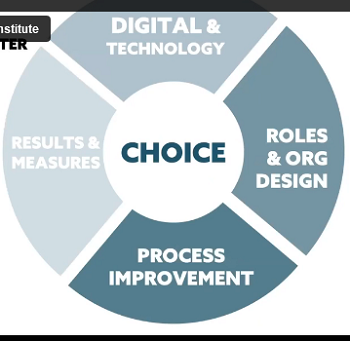
(source: Edwina Pike, 2022)
Choice can be further broken down into
- ability (are you able to do something?)
- willingness (are you willing to choose to do something differently?)
Of the 2, willingness is the more important one.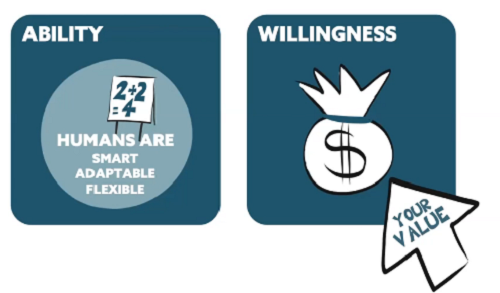
(source: Edwina Pike, 2022)
Control
The brain likes to be in control, otherwise the threat response will dominate. Consequently, if someone else is pushing their will on you, you are going to resist. This can easily happen in change when senior management and/or consultants are pushing their ideas, etc onto staff. On the other hand, if people are investing their own time, money, thoughts, effort, etc into creating something, they are more likely to have ownership of it; it becomes their creation, irrespective of its worth. This ownership is more about emotional attachment rather than just transactional, intellectual, etc; people can be very reluctant to let go of something that they have created.
Furthermore, people like to compare things as the brain prefers choices, ie alternatives. By having choices the brain feels in control will increase adoption rates. This prospect is further improved, if it is made easier and the choice limited.
However, when there is choice overload, ie given too much choice, you become paralysed and give preference to something that is familiar.
Furthermore, once a decision is made it is highly unlikely to be changed, ie you are highly unlikely to revisit your decision-making process.